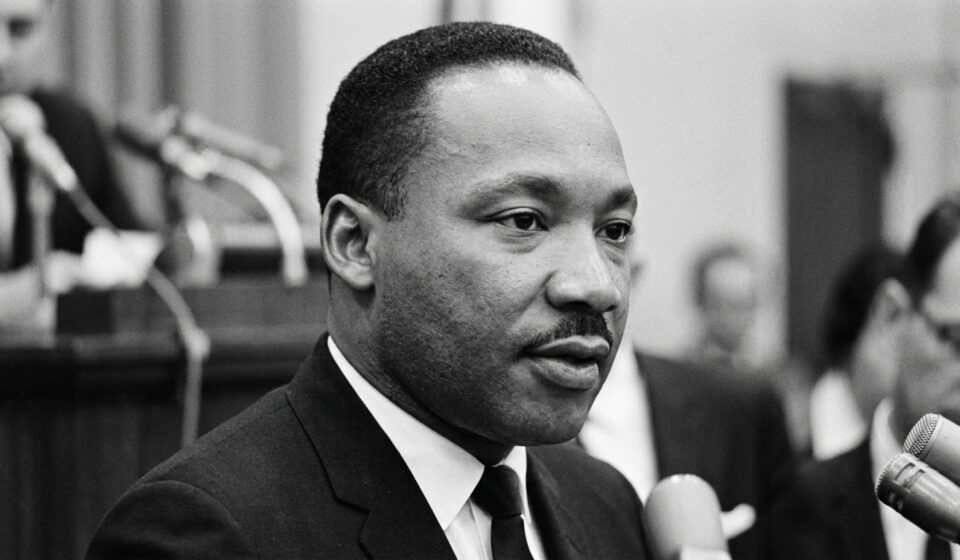

When people study the life and legacy of Martin Luther King Jr., they often focus on his powerful speeches, leadership, and role in the Civil Rights Movement. However, some individuals are also curious about his personal style, including a common question: what hair cut did MLK have? His appearance was an important part of his public image, reflecting professionalism, dignity, and confidence during a period of significant social change in the United States.
The hairstyle worn by Martin Luther King Jr. was simple, neat, and consistent throughout much of his public life. It reflected the grooming standards of the time while helping him maintain a polished appearance during speeches, interviews, and public appearances. Understanding his haircut offers an interesting look into the style trends of the mid-twentieth century and the image he projected as a respected leader.
The Classic Short Taper Haircut of MLK
For those asking what hair cut did MLK have, the most accurate description is a classic short taper haircut. This style featured closely trimmed sides and back with slightly longer hair on top. The haircut was carefully shaped to create a clean and balanced appearance without dramatic contrasts or modern styling techniques.
The taper haircut was extremely popular among professional men during the 1950s and 1960s. It offered a neat appearance that was appropriate for business settings, public speaking engagements, and formal occasions. Martin Luther King Jr. consistently maintained this style because it aligned with the professional image expected of leaders during that era.
Why the Haircut Suited Martin Luther King Jr.
Martin Luther King Jr.’s haircut complemented his role as a minister, activist, and public speaker. His appearance communicated seriousness, discipline, and respectability. During a time when public perception carried significant weight, maintaining a polished look helped reinforce his credibility and authority.
The haircut also worked well with his facial features and overall style. Combined with formal suits and ties, it created an image of professionalism that audiences recognized and respected. His appearance was never flashy or attention-seeking, allowing his message and leadership to remain the focus.
Popular Men’s Hairstyles During the 1950s and 1960s
To understand what hair cut did MLK have, it is helpful to examine the broader hairstyle trends of his era. During the 1950s and 1960s, men commonly wore conservative and structured hairstyles. Short tapered cuts, side-part styles, and neatly groomed looks dominated professional and public life.
These styles emphasized cleanliness and order rather than personal experimentation. Most men visited barbers regularly to maintain a polished appearance. Martin Luther King Jr.’s haircut reflected these cultural standards, making him appear relatable while also projecting confidence and leadership.
The Influence of Barbershop Culture
Barbershops played an important role in African American communities throughout Martin Luther King Jr.’s lifetime. They were not only places for grooming but also centers of conversation, community engagement, and social connection. Many professional men relied on skilled barbers to maintain their appearance.
The haircut associated with MLK likely resulted from regular barber visits and careful grooming. The precision of the taper and the neat finish reflected traditional barbershop craftsmanship. This attention to detail contributed to the clean and professional image that became closely associated with him.
Characteristics of MLK’s Hairstyle
Several features defined Martin Luther King Jr.’s haircut. The sides and back were trimmed short and gradually blended into the hair on top. The top section remained slightly longer while still maintaining a controlled and tidy appearance. The hairline was shaped carefully to create a balanced and polished look.
Unlike many modern hairstyles, his haircut did not rely on strong fades, dramatic texture, or styling products designed to create volume. Instead, the emphasis was on natural grooming and consistency. This simplicity made the style timeless and appropriate for both formal and everyday settings.
How MLK’s Haircut Differs From Modern Styles
Many contemporary hairstyles focus on bold fades, textured tops, and personalized styling techniques. In contrast, Martin Luther King Jr.’s haircut represented a more traditional approach. The goal was not to stand out but to appear respectable, reliable, and professional.
Modern barbers often create high fades, skin fades, or intricate designs, while MLK’s hairstyle remained conservative and understated. Despite these differences, some elements of his haircut remain popular today because of their timeless appeal. The clean taper continues to be a preferred choice for men seeking a professional appearance.
The Symbolism of Appearance in Leadership
Public leaders are often judged not only by their words but also by their presentation. Martin Luther King Jr. understood the importance of appearance in communicating professionalism and self-respect. His hairstyle, clothing, and overall grooming helped reinforce the values he represented.
A neat appearance can influence how messages are received by audiences. In MLK’s case, his polished image complemented his powerful speeches and leadership qualities. While his haircut alone did not define him, it contributed to the overall impression he made on supporters, colleagues, and the broader public.
Can You Get the MLK Haircut Today?
The haircut worn by Martin Luther King Jr. remains achievable today and continues to inspire classic grooming styles. Anyone interested in recreating the look can ask a barber for a traditional short taper haircut with clean edges and moderate length on top. The key is maintaining simplicity and avoiding overly modern modifications.
This style remains suitable for professional environments, formal occasions, and individuals who appreciate timeless grooming. While fashion trends evolve, classic haircuts often remain relevant because they emphasize balance, cleanliness, and versatility. The MLK hairstyle is a strong example of this enduring appeal.
The Lasting Legacy of MLK’s Personal Style
Although Martin Luther King Jr. is remembered primarily for his contributions to civil rights and social justice, his personal style also reflected the dignity and professionalism he brought to every aspect of his public life. His haircut became part of an image that symbolized leadership, confidence, and commitment to positive change.
People continue asking what hair cut did MLK have because his appearance remains recognizable decades after his passing. His grooming choices reflected the values of his era while helping create a timeless and respected public image. The simplicity of his haircut serves as a reminder that elegance often comes from consistency and attention to detail rather than following temporary fashion trends.
Conclusion
The answer to the question what hair cut did MLK have is a classic short taper haircut that reflected the professional grooming standards of the 1950s and 1960s. The style featured neatly trimmed sides, a slightly longer top, and a clean overall appearance. It complemented Martin Luther King Jr.’s role as a respected leader and helped reinforce the dignity and professionalism that characterized his public image.
Today, his haircut remains an example of timeless style. While fashion trends continue to change, the principles behind his grooming choices—simplicity, confidence, and attention to detail—continue to influence classic men’s hairstyles around the world.