
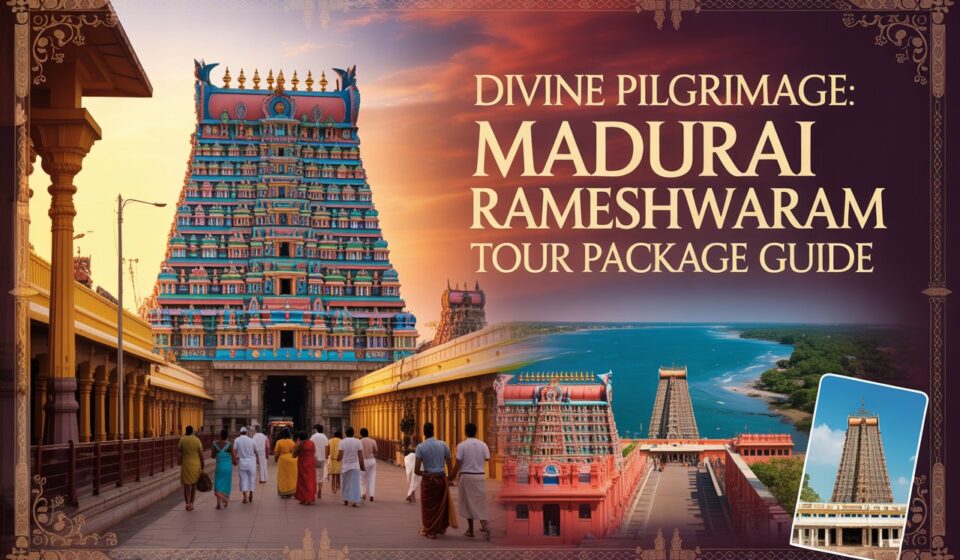

The spiritual heart of Tamil Nadu beckons travelers seeking a blend of ancient architecture and profound serenity. Choosing a madurai rameshwaram tour package ensures a seamless journey through the historical streets of the Temple City and the sacred shores of the Pamban Island. This route is not just a geographical transit but a passage through India’s rich mythological tapestry, connecting the majestic Meenakshi Amman Temple with the holy waters of Agni Theertham. Whether you are traveling for religious reasons or to witness the structural marvels of the Dravidian era, this itinerary provides a structured approach to visiting these iconic landmarks while respecting the local traditions and heritage.
The Architectural Grandeur of Madurai
Madurai serves as the perfect starting point for your pilgrimage. Known as the “Athens of the East,” the city revolves around the Meenakshi Amman Temple. This massive complex, with its fourteen gopurams, is a masterclass in ancient engineering and artistic devotion. Walking through the Thousand Pillar Hall, visitors can witness the intricate carvings that have survived centuries.
Beyond the main temple, the Thirumalai Nayakkar Palace offers a glimpse into the 17th-century royal lifestyle. The massive white pillars and the courtyard are architectural highlights that contrast with the vibrant colors of the temple. A visit to the Vandiyur Mariamman Teppakulam, a giant temple tank, is also essential, especially if your visit coincides with the local float festivals. The city’s layout itself is a marvel, designed in the shape of a lotus, with the temple at its center and streets radiating outward like petals.
Crossing the Pamban Bridge to Rameshwaram
The drive from Madurai to Rameshwaram takes you across one of India’s most engineering feats: the Pamban Bridge. Spanning the blue waters of the Gulf of Mannar, this bridge connects the mainland to the island of Rameshwaram. Looking out over the ocean as you cross provides a sense of transition from the bustling inland city to the quiet, salt-aired sanctity of the island.
Rameshwaram holds a unique place in the hearts of devotees. It is one of the Char Dham sites and is deeply linked to the epic Ramayana. Legend suggests this is where Lord Rama built a bridge to Lanka. The atmosphere here is one of quiet contemplation, where the sound of temple bells mixes with the crashing of waves against the shore.
Spiritual Rituals at Ramanathaswamy Temple
The Ramanathaswamy Temple is the focal point of the island. It is famous for having the longest corridor in the world, adorned with beautifully painted ceilings and carved pillars. One of the most significant rituals for pilgrims is the ceremonial bath in the 22 holy wells (Teerthams) located within the temple precincts. Each well is said to have medicinal properties and spiritual significance.
After the ritual baths, devotees offer prayers to the main deity. The temple’s architecture, with its towering gopurams and massive granite walls, stands as a testament to the patronage of various dynasties over centuries. The energy inside the corridors, especially during the early morning hours, is palpable and remains a highlight for anyone on a spiritual retreat.
Dhanushkodi: The Ghost Town at the Edge of the World
A short drive from the main temple leads to Dhanushkodi, located at the southeastern tip of Pamban Island. Once a flourishing town, it was destroyed by a cyclone in 1964 and now stands as a hauntingly beautiful “ghost town.” Visitors can see the ruins of a church, a railway station, and a post office partially buried in the sand.
Dhanushkodi is also the point where the Bay of Bengal meets the Indian Ocean, known as Arichal Munai. The confluence of the two seas, with their differing shades of blue and varying wave patterns, is a sight to behold. It is also believed to be the starting point of the Ram Setu. The stark landscape and the vast horizon offer a moment of reflection away from the more crowded temple areas.
Essential Travel Tips for the South Indian Circuit
Planning your logistics is key to a comfortable experience. The best time to visit is during the cooler months from October to March, as the summer heat in Tamil Nadu can be quite intense. When visiting temples, remember that traditional dress codes are strictly enforced; men are usually required to wear dhotis or formal trousers, and women are expected to wear sarees or long dresses.
Local transport in Madurai is best handled via auto-rickshaws for short distances, while Rameshwaram is compact enough to navigate easily. In terms of food, this region is a paradise for fans of authentic South Indian cuisine. From the fluffy idlis of Madurai to the fresh coastal flavors of Rameshwaram, the culinary journey is as rich as the spiritual one.
Connectivity and Accessibility
Madurai is well-connected by air, rail, and road to major Indian cities. The Madurai International Airport handles frequent flights, making it an accessible gateway for domestic and international visitors alike. From Madurai, Rameshwaram is approximately 170 kilometers away, a journey that takes about three to four hours by road.
Trains are also a popular choice, especially for the experience of crossing the Pamban Bridge by rail. However, the road journey offers the flexibility to stop at smaller shrines and local markets along the way. Ensuring your transportation is pre-arranged can save time and allow for a more relaxed pace of sightseeing.
Cultural Significance and Local Festivals
The culture of this region is deeply rooted in Tamil traditions. In Madurai, the Chithirai Festival in April is a massive event that re-enacts the wedding of Goddess Meenakshi. In Rameshwaram, Maha Shivaratri is celebrated with great fervor.Drawing thousands of devotees to the Ramanathaswamy Temple.
Engaging with the local artisans is also rewarding. Madurai is famous for its Sungudi sarees, which use a unique tie-and-dye technique. In Rameshwaram, you will find intricate handicrafts made from seashells. Supporting these local crafts helps preserve the heritage of the region and provides you with authentic mementos of your journey.
Sample Two-Day Itinerary
For those with limited time, a two-day plan is effective. On day one, arrive in Madurai and spend the morning at the Meenakshi Temple, followed by the Nayakkar Palace in the afternoon. In the evening, witness the night ceremony at the temple before departing for an early morning drive to Rameshwaram the next day.
On day two, start with the holy bath at Agni Theertham and the 22 wells inside the Ramanathaswamy Temple. After darshan, head to Dhanushkodi to see the confluence of the seas and the ruins. Return to Rameshwaram to visit the APJ Abdul Kalam Memorial, a tribute to the former President of India who was born on this island, before heading back to Madurai for your return journey.
Historical Context of the Region
The history of Madurai dates back over 2,500 years, making it one of the oldest continuously inhabited cities in the world. It was the seat of the Pandya Dynasty and a center for Tamil Sangam literature. Rameshwaram’s history is equally ancient, mentioned in various Puranas and historical accounts of travelers like Marco Polo.
Understanding the historical layers adds depth to the visit. These are not just places of worship but centers of learning, art, and politics that have shaped the identity of South India. The resilience of these structures and the continuity of the rituals performed there offer a unique perspective on Indian civilization.
Final Thoughts on Your Spiritual Journey
A trip to these twin cities leaves a lasting impression on the mind and soul. The transition from the urban vibrancy of Madurai to the oceanic tranquility of Rameshwaram provides a balanced travel experience. It is a journey that satisfies the historian, the devotee, and the casual traveler looking to understand the core of Indian culture.
Securing a reliable madurai rameshwaram tour package allows you to focus on the experience rather than the logistics of travel and entry. For those who wish to extend their spiritual quest further across the subcontinent, integrating this trip with a broader 12 jyotirlinga travel package is a common choice, as Rameshwaram hosts one of the most significant of these twelve shrines. By following the rituals and taking the time to understand the stories behind the stones, you gain a deeper appreciation for the timeless traditions of the land.