
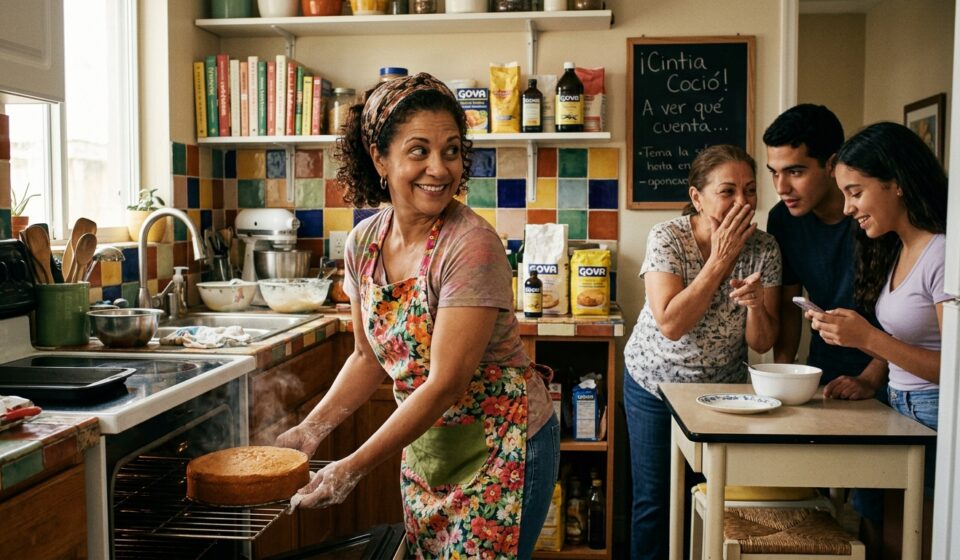

Language is filled with words and phrases that carry meaning beyond their literal definitions. One such phrase that often attracts attention is “Cintia coció.” For Spanish language learners, writers, and curious readers, understanding expressions like this can provide valuable insight into grammar, communication, and cultural context. The phrase combines a proper name with a verb in the past tense, creating a simple yet meaningful statement. While it may appear straightforward, examining its structure, usage, and significance reveals important aspects of the Spanish language. This article explores the meaning of Cintia coció and why understanding such expressions can improve language comprehension.
Understanding the Meaning of Cintia Coció
The phrase Cintia coció translates to “Cintia cooked” in English. It consists of the proper noun Cintia, which identifies a person, and the verb coció, which is the past tense form of the Spanish verb “cocer,” meaning to cook or boil. The sentence indicates that Cintia performed the action of cooking at some point in the past. Although simple in structure, it demonstrates how Spanish uses verb conjugation to communicate time and action clearly. Understanding phrases like Cintia coció helps learners recognize the importance of verb forms and sentence construction in everyday communication.
The Importance of Verb Conjugation in Spanish
Spanish grammar relies heavily on verb conjugation to convey meaning. In the phrase Cintia coció, the verb changes form to indicate a completed action in the past. This grammatical feature allows speakers to express time without necessarily adding additional words. Learning how verbs change according to tense, subject, and context is one of the most important aspects of mastering Spanish. Cintia coció serves as a useful example because it demonstrates a commonly used past tense structure. By studying such phrases, learners gain a deeper understanding of how Spanish sentences are formed and interpreted.
The Role of Proper Names in Language Learning
Proper names often appear in educational examples because they help illustrate grammatical concepts in a clear and relatable way. In Cintia coció, the name Cintia functions as the subject of the sentence, making it easy to identify who performed the action. Language instructors frequently use names in examples because they create realistic situations that mirror everyday communication. This approach helps learners focus on sentence structure without becoming distracted by complex vocabulary. Understanding how proper names interact with verbs and other sentence components contributes to stronger reading, writing, and speaking skills in Spanish.
How Context Influences Interpretation
Like many sentences, the meaning of Cintia coció can change slightly depending on context. While the basic translation remains “Cintia cooked,” the broader situation may provide additional details about what was cooked, why it was prepared, or when the action occurred. Context helps listeners and readers understand the full significance of a statement. This principle applies not only to Spanish but to all languages. Recognizing the importance of context allows language learners to move beyond literal translations and develop a more complete understanding of communication. Context gives simple phrases greater depth and practical meaning.
Cintia Coció as a Grammar Learning Example
Educational materials often use short sentences such as Cintia coció to teach grammar concepts effectively. Simple examples help students identify verb tenses, sentence structures, and grammatical relationships without unnecessary complexity. In this case, learners can focus on the past tense form of the verb while understanding how it connects to the subject. Such examples provide a foundation for building more advanced language skills. As students progress, they can expand simple sentences into longer expressions while maintaining grammatical accuracy. Cintia coció demonstrates how even a brief phrase can serve as a valuable learning tool.
The Cultural Importance of Cooking in Language
Cooking is a common theme in language because it reflects everyday life and cultural traditions. The phrase Cintia coció involves an activity that people across the world can easily recognize and understand. Food preparation often carries social, historical, and cultural significance, making it a frequent topic in conversations and educational materials. By using familiar actions such as cooking, language examples become more relatable and memorable. This connection between language and daily experiences helps learners engage more deeply with vocabulary and grammar. Simple phrases often reflect broader cultural practices and shared human activities.
Common Uses of Past Tense Sentences
Past tense sentences are essential in communication because they allow people to describe completed actions and share experiences. Cintia coció illustrates how Spanish speakers communicate events that have already happened. Whether discussing personal activities, historical events, or daily routines, past tense forms provide important information about time. Learning to recognize and use these structures is a key step in achieving fluency. Past tense communication appears frequently in conversations, stories, news reports, and written content. Understanding examples like Cintia coció helps learners become more confident when discussing events from the past.
Why Simple Sentences Matter in Language Education
Simple sentences play a crucial role in language education because they provide clear examples of grammar and vocabulary in action. Complex structures can overwhelm beginners, while straightforward phrases such as Cintia coció allow learners to focus on essential concepts. Simple examples create a strong foundation for future learning by reinforcing key grammatical patterns. They also encourage students to analyze sentence components and understand how words work together. As language skills develop, learners can build upon these basic structures to create more detailed and sophisticated communication. Simplicity often serves as the starting point for mastery.
The Lasting Value of Language Fundamentals
Every language is built upon fundamental concepts such as subjects, verbs, and sentence structure. Cintia coció highlights these basics in a way that is both accessible and practical. Mastering foundational elements allows learners to understand increasingly complex texts and conversations. Language education often emphasizes these fundamentals because they support long-term progress and confidence. Even advanced speakers rely on the same grammatical principles introduced through simple examples. By studying phrases like Cintia coció, learners strengthen their understanding of essential language mechanics while developing skills that apply across a wide range of communication situations.
Conclusion
Cintia coció may appear to be a simple Spanish phrase, but it offers valuable insights into grammar, verb conjugation, sentence structure, and language learning. Translating to “Cintia cooked,” it demonstrates how Spanish communicates completed actions through verb forms while highlighting the importance of context and proper sentence construction. As a learning example, it helps students build foundational skills that support more advanced communication. The phrase also reflects the connection between language and everyday experiences, making it both practical and relatable. Understanding expressions like Cintia coció contributes to stronger language comprehension and greater confidence in Spanish communication.