
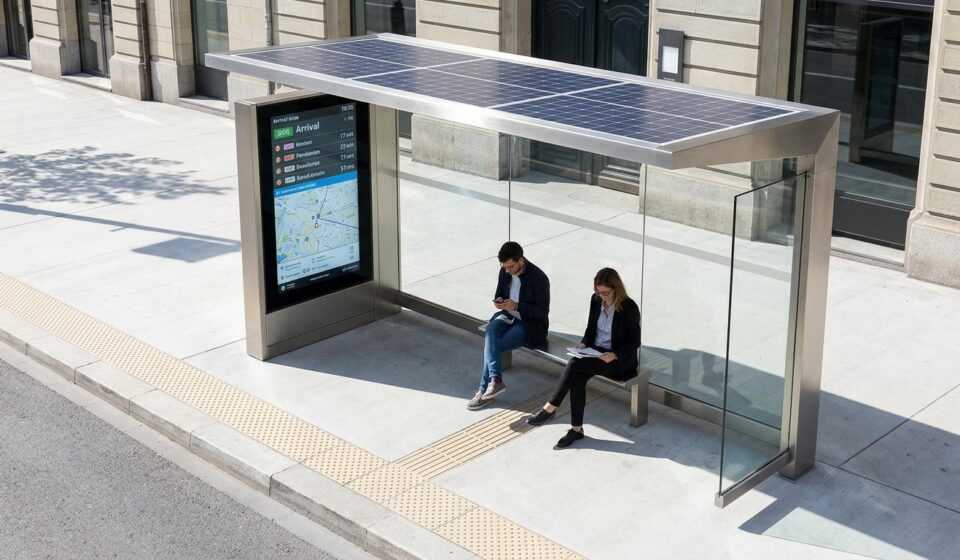

Public transportation plays a vital role in connecting people to workplaces, schools, hospitals, shopping centers, and other essential destinations. Among the many components of a transportation system, the bus stoppage is one of the most important yet often overlooked elements. A bus stoppage serves as a designated location where passengers can safely board and exit buses while helping transportation services operate efficiently. Whether located in busy urban centers or quiet rural communities, bus stoppages contribute significantly to accessibility, mobility, and convenience. Understanding their role can help people appreciate how these simple structures support millions of daily journeys and strengthen modern transportation networks.
What Is a Bus Stoppage?
A bus stoppage is a designated point along a bus route where public transport vehicles stop to pick up and drop off passengers. These locations are strategically placed to provide convenient access to transportation services for residents, workers, students, and visitors. A well-planned bus stoppage helps reduce travel difficulties while improving overall transportation efficiency. Depending on the area, bus stoppages may include shelters, seating, route information, and safety features. Their primary purpose is to create an organized system that allows buses to operate smoothly while ensuring passengers have a predictable and reliable place to begin or end their journeys.
The Role of Bus Stoppages in Urban Mobility
Modern cities depend heavily on public transportation to manage growing populations and increasing traffic congestion. Bus stoppages play an essential role in supporting urban mobility by creating structured access points throughout a city. They help people move efficiently between residential neighborhoods, business districts, educational institutions, and recreational areas. Without properly located bus stoppages, transportation systems would become less organized and more difficult to use. By serving as reliable connection points, they encourage greater use of public transport and reduce dependence on private vehicles. This contributes to smoother traffic flow and more sustainable urban development.
How Bus Stoppages Improve Accessibility
Accessibility is a key objective of public transportation systems. A strategically located bus stoppage makes transportation available to a wider range of people, including students, senior citizens, workers, and individuals with disabilities. Easy access to transportation improves mobility and allows people to participate more fully in economic and social activities. Many modern bus stoppages are designed with features such as ramps, clear signage, and accessible pathways to support all users. These improvements ensure that public transportation remains inclusive and practical for diverse communities. Better accessibility also strengthens local economies by connecting people with opportunities and essential services.
Safety Features at a Bus Stoppage
Passenger safety is one of the most important considerations when designing a bus stoppage. Well-maintained stoppages often include clearly marked boarding areas, adequate lighting, visible signage, and protective shelters. These features help reduce risks for passengers while waiting for transportation. In busy urban environments, designated stopping points prevent confusion and improve traffic management by ensuring buses stop in safe locations. Safety measures also contribute to greater confidence among passengers, encouraging more people to use public transportation. As cities continue expanding, investing in safer bus stoppages remains an important priority for transportation authorities worldwide.
The Importance of Bus Stoppages in Rural Areas
While bus stoppages are often associated with cities, they are equally important in rural communities. In areas where transportation options may be limited, a bus stoppage can serve as a critical connection point for residents. Rural transportation networks often help people access healthcare services, educational institutions, employment opportunities, and regional markets. Well-placed bus stoppages improve mobility and reduce isolation by connecting smaller communities to larger urban centers. For many residents, public transportation provides an affordable and dependable travel option. As a result, maintaining effective bus stoppages remains essential for supporting rural development and community well-being.
Technology and the Modern Bus Stoppage
Advancements in technology are transforming the way public transportation systems operate. Many modern bus stoppages now feature digital displays that provide real-time information about bus arrivals, delays, and route updates. Mobile applications also allow passengers to track buses and plan journeys more effectively. These innovations improve convenience and reduce uncertainty for travelers. Smart transportation systems help optimize operations while enhancing the passenger experience. As cities continue adopting digital infrastructure, the traditional bus stoppage is evolving into a more connected and information-driven component of urban mobility. Technology is making public transportation more efficient and user-friendly than ever before.
Environmental Benefits of Efficient Bus Stoppages
Public transportation contributes to environmental sustainability by reducing the number of private vehicles on the road. Efficiently designed bus stoppages support this goal by making bus travel more convenient and accessible. When people have reliable access to public transportation, they are more likely to choose buses instead of driving individual cars. This helps lower fuel consumption, reduce greenhouse gas emissions, and decrease traffic congestion. Bus stoppages also encourage the development of sustainable transportation habits within communities. As environmental concerns continue growing globally, improving public transport infrastructure remains an important strategy for promoting greener and more responsible mobility solutions.
Challenges Facing Bus Stoppage Infrastructure
Despite their importance, many bus stoppages face challenges related to maintenance, overcrowding, and inadequate facilities. In some areas, aging infrastructure can reduce passenger comfort and safety. High population growth may also increase demand beyond the capacity of existing transportation systems. Weather protection, accessibility improvements, and better information systems are common areas requiring attention. Transportation authorities must balance budget limitations with the need to modernize infrastructure. Addressing these challenges is essential for maintaining reliable and attractive public transportation services. Continuous investment in bus stoppage facilities helps ensure they remain effective and capable of meeting future transportation needs.
The Future of Bus Stoppages
The future of the bus stoppage is likely to be shaped by innovation, sustainability, and smart city development. Transportation planners are increasingly exploring new ways to improve passenger experiences through advanced technology and environmentally friendly designs. Future bus stoppages may include enhanced digital services, renewable energy features, improved accessibility, and greater integration with other transportation modes. These developments will help create more connected and efficient mobility networks. As urban populations continue growing, the demand for reliable public transportation infrastructure will increase. Bus stoppages will remain a crucial element in supporting sustainable transportation systems and improving overall quality of life.
Conclusion
A bus stoppage is far more than a simple location where passengers wait for transportation. It serves as a critical component of public transit systems, supporting accessibility, safety, efficiency, and sustainability. From busy cities to remote rural communities, bus stoppages help connect people with opportunities, services, and destinations that shape everyday life. As technology advances and transportation needs evolve, these essential facilities will continue adapting to meet modern demands. Investing in well-designed and properly maintained bus stoppages benefits passengers, communities, and the environment. Their ongoing importance highlights the vital role they play in building effective and inclusive transportation networks.