
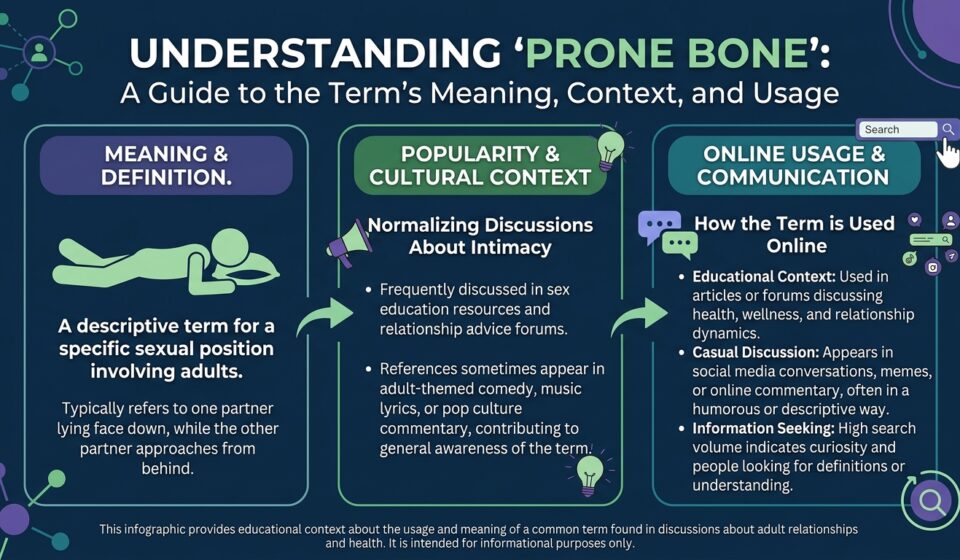

Language on the internet evolves rapidly, and new phrases often gain attention through social media, online communities, and everyday conversations. One such term that has generated curiosity is “prone bone.” Many people encounter this phrase online and immediately search for its meaning, origin, and context. Like many internet expressions, prone bone has developed a unique place in digital culture, where slang and informal language spread quickly across platforms. Understanding the phrase helps users navigate online discussions more confidently and recognize how modern communication continues to adapt. This article explores prone bone, its usage, popularity, and relevance in contemporary digital conversations.
What Does Prone Bone Mean?
The term prone bone is generally recognized as an informal slang expression that appears in online conversations and internet culture. The word “prone” refers to a position of lying face down, while the phrase itself has developed a meaning that extends beyond its literal definition. Like many forms of slang, the exact interpretation often depends on context and the audience using it. Internet users frequently create and share phrases that combine humor, creativity, and cultural references. As a result, prone bone has become a searchable term for people who want to understand the language and expressions commonly used online.
The Rise of Internet Slang
Internet slang has transformed the way people communicate in digital spaces. Social media platforms, online forums, and messaging applications encourage short, memorable phrases that can spread quickly among users. Prone bone is one example of how a phrase can gain popularity through repeated online usage. Slang terms often begin within specific communities before reaching wider audiences. As more people encounter and share these expressions, they become part of everyday internet vocabulary. This process demonstrates how digital communication influences language development and creates new ways for people to express ideas, humor, and cultural trends.
Why People Search for Prone Bone
Curiosity is one of the main reasons people search for the term prone bone. Internet users frequently come across unfamiliar phrases in comments, memes, videos, and social media posts. When a term appears repeatedly, people naturally want to understand its meaning and origin. Search engines make it easy to explore these expressions and learn how they are used in different contexts. The growing popularity of online culture has increased interest in slang terminology, leading many users to seek explanations for phrases they encounter. Prone bone has become one of those terms that attracts attention due to its unusual wording.
The Influence of Social Media on Language
Social media platforms have become powerful forces in shaping modern language. New words and expressions can spread across the world within hours through viral posts and shared content. Prone bone reflects this phenomenon, as internet users often introduce creative phrases that gain momentum through engagement and repetition. Social media encourages informal communication, making it easier for slang terms to become widely recognized. As users interact with content from different cultures and communities, language continues evolving in unexpected ways. The popularity of terms like prone bone highlights the significant influence social platforms have on communication trends.
Understanding Context in Online Conversations
Context plays a critical role when interpreting internet slang. Many phrases can have different meanings depending on the platform, audience, or conversation in which they appear. Prone bone is no exception, as its interpretation may vary based on how and where it is used. Understanding context helps prevent misunderstandings and allows users to engage more effectively in online discussions. Digital communication often relies on shared cultural knowledge, making context especially important. Recognizing the intended meaning behind slang terms contributes to clearer communication and a better understanding of modern internet culture.
The Role of Humor in Popular Expressions
Humor is a major factor behind the popularity of many internet phrases. People enjoy creative language that adds entertainment and personality to conversations. Prone bone gained attention partly because its wording is memorable and unusual, making it easy to share and discuss. Humorous expressions often spread rapidly because users enjoy repeating them in casual interactions. The internet has created countless opportunities for jokes, memes, and playful language to reach large audiences. This environment encourages the development of unique terms that reflect the creativity and humor found within online communities.
How Digital Culture Creates New Vocabulary
Digital culture continuously introduces new vocabulary into everyday communication. Online communities frequently invent expressions that describe experiences, trends, or ideas in fresh and memorable ways. Prone bone illustrates how language evolves through shared digital experiences. New terms often emerge from casual conversations before becoming recognized by larger audiences. As technology connects people across different regions and backgrounds, language becomes more dynamic and adaptable. Digital culture encourages experimentation with words and phrases, resulting in a constantly expanding vocabulary that reflects the interests and behaviors of internet users worldwide.
The Importance of Understanding Modern Slang
Learning modern slang helps people stay connected with contemporary communication trends. Internet culture moves quickly, and new expressions appear regularly across social platforms and online communities. Understanding terms like prone bone allows users to participate more confidently in conversations and better interpret online content. Familiarity with slang also provides insight into cultural trends and the ways language evolves over time. While not every expression becomes a permanent part of everyday language, many contribute to the ongoing development of communication. Awareness of modern terminology supports effective interaction in an increasingly digital world.
The Future of Internet Expressions
The future of internet expressions will likely involve even greater creativity as technology continues advancing. New platforms, communication tools, and online communities will introduce fresh terminology that reflects changing cultural trends. Prone bone represents one example of how unique phrases can gain visibility and become part of broader digital conversations. Some expressions fade quickly, while others remain popular for years. The rapid exchange of information online ensures that language will continue evolving at an unprecedented pace. Understanding these changes helps users appreciate the dynamic nature of communication and the role internet culture plays in shaping modern language.
Conclusion
Prone bone is a term that highlights the creativity and adaptability of internet language. Its popularity reflects how online communities develop and share unique expressions that capture attention and spark curiosity. Through social media, digital culture, and informal communication, phrases like prone bone become part of broader conversations about language and modern trends. Understanding its context and usage helps users navigate online discussions more effectively while gaining insight into the evolution of internet slang. As digital communication continues expanding, expressions such as prone bone will remain examples of how language adapts to new technologies, communities, and cultural influences.