
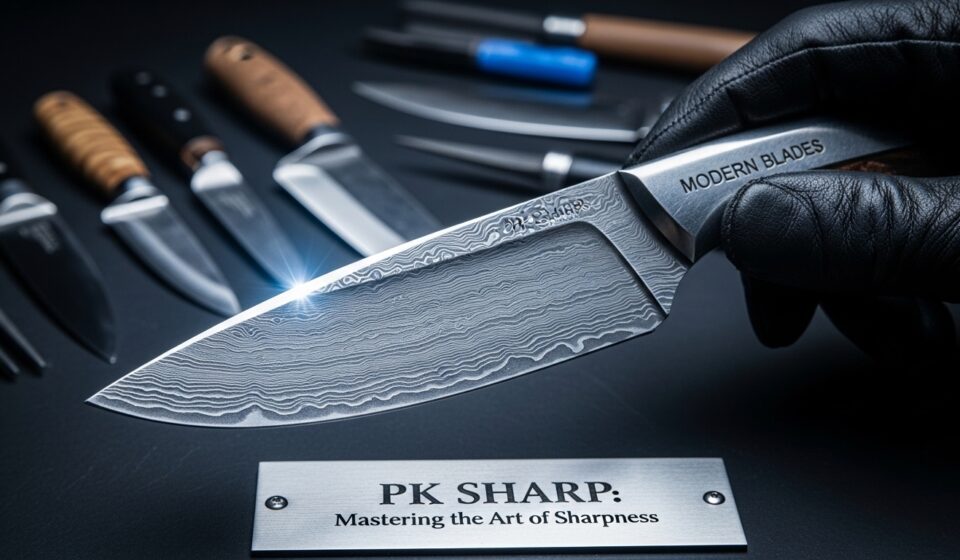

Welcome to the world of PK Sharp, where precision meets passion. If you’ve ever wondered what separates a dull blade from one that glides effortlessly through materials, you’re in the right place. At PK Sharp, our mission is simple: to elevate your cutting experience by mastering the art of sharpness in modern blades. Whether you’re a chef slicing vegetables or a craftsman shaping wood, understanding how to keep your tools razor-sharp can make all the difference. Join us as we delve into blade sharpening’s rich history, explore innovative techniques, and share expert tips for achieving ultimate sharpness with PK Sharp products!
The History of Blade Sharpening
Blade sharpening has ancient roots, tracing back thousands of years. Early humans recognized the need for sharp tools to hunt, prepare food, and craft goods. They used stones to hone edges, perfecting their technique over time.
As civilizations advanced, so did the methods of sharpening blades. The introduction of metalworking brought about more durable knives and swords. Blacksmiths became essential figures in communities, ensuring that warriors were equipped with finely honed weapons.
During the Middle Ages, specialized sharpeners emerged. These artisans understood the importance of maintaining an edge for both domestic and military purposes. Techniques evolved from simple grinding wheels to intricate systems involving whetstones and oil.
In modern times, technology revolutionized blade sharpening again. Electric sharpeners provide convenience while traditional methods still hold value among purists who appreciate craftsmanship as an art form. Each era contributes uniquely to our understanding of what it means for a blade to be truly sharp.
Traditional vs. Modern Blade Sharpening Techniques
Traditional blade sharpening often involves time-honored methods, utilizing whetstones and honing rods. Craftsmen rely on their skills to maintain the angle and pressure needed for a fine edge. This requires patience and practice, as each stroke counts.
On the other hand, modern techniques have embraced technology. Electric sharpeners and diamond-coated tools offer quick results with minimal effort. These devices can be more accessible for everyday users but may lack the personal touch of traditional methods.
While traditional sharpening allows for customization based on blade type, modern approaches provide speed and efficiency. The choice between them depends largely on user preference and level of expertise.
Some enthusiasts appreciate blending both styles. Using a combination can yield exceptional results that cater to specific needs while respecting age-old craftsmanship. Each method has its place in the art of sharpness, showcasing how far we’ve come in our quest for precision.
The Importance of Proper Blade Maintenance
Proper blade maintenance is crucial for anyone who values efficiency in their cutting tools. A well-maintained blade performs better, ensuring clean and precise cuts every time. This can significantly impact your cooking, crafting, or outdoor activities.
Neglecting blade care leads to dull edges and increased wear. Dull blades require more force, which can lead to accidents or poor-quality results. Regular sharpening keeps the edge intact while prolonging the life of the tool.
Cleaning is equally important; residues can corrode metal and affect performance over time. Sharpness isn’t just about aesthetics; it enhances safety by allowing for controlled handling during use.
Investing a little time into regular assessments saves money on replacements later. With brands like PK Sharp leading the way in innovation, maintaining sharpness has never been easier or more efficient for enthusiasts at any skill level.
Understanding the Science Behind Sharpness
Sharpness is more than just a pointy edge. It’s about the geometry of the blade and how it interacts with materials.
At a microscopic level, sharp blades have finer edges that reduce friction during cutting. This allows them to glide through food or materials effortlessly.
The angle of the blade’s edge plays a crucial role too. A lower angle often results in sharper but less durable edges, ideal for precision tasks. In contrast, higher angles provide strength but sacrifice finesse.
Metal composition also matters significantly. Harder steel retains sharpness longer but can be trickier to sharpen. Softer metals are easier to hone yet dull quickly under pressure.
Understanding these principles helps you appreciate why PK Sharp emphasizes quality in their sharpening process. Their approach combines art and science, ensuring every blade performs at its best without compromising durability or effectiveness.
Tips for Achieving Ultimate Blade Sharpness with PK Sharp
To achieve ultimate blade sharpness with PK Sharp, start by selecting the right sharpening tool. Whether you prefer a whetstone or a professional-grade sharpener, ensuring quality is key.
Next, understand the angle of your blade. Maintaining the correct angle during sharpening can dramatically improve performance. A consistent 20-degree angle works well for most knives.
Don’t rush through the process. Take your time to apply even pressure while moving across the edge. This attention to detail pays off in sharper results.
Regularly clean your blade after sharpening to remove any metal filings that could dull it over time. Maintenance isn’t just about initial sharpness; it’s also about keeping edges pristine.
Practice makes perfect. The more you sharpen blades using PK Sharp methods, the better you’ll become at discerning what each knife needs for optimal performance and longevity.
Conclusion
Mastering the art of sharpness is not just about having a keen edge; it’s about understanding the tools and techniques that make that edge possible. PK Sharp has become synonymous with excellence in blade sharpening, ensuring both enthusiasts and professionals can rely on their expertise.
The journey from traditional methods to modern innovations reflects an evolution rooted in craftsmanship. Each approach offers unique benefits, but what remains constant is the fundamental need for proper maintenance. Keeping blades in top condition enhances performance and prolongs their lifespan.
Understanding the science behind sharpness adds another layer of mastery to blade care. It involves recognizing how different materials interact and what constitutes optimal sharpness for various tasks. With PK Sharp’s guidance, achieving that ultimate edge isn’t just a dream; it’s entirely within reach.
Whether you’re seeking advice or high-quality sharpening services, embracing these insights will elevate your cutting experience significantly. Engaging with PK Sharp means stepping into a world where every slice counts—where precision meets passion, resulting in unparalleled sharpness at your fingertips.