
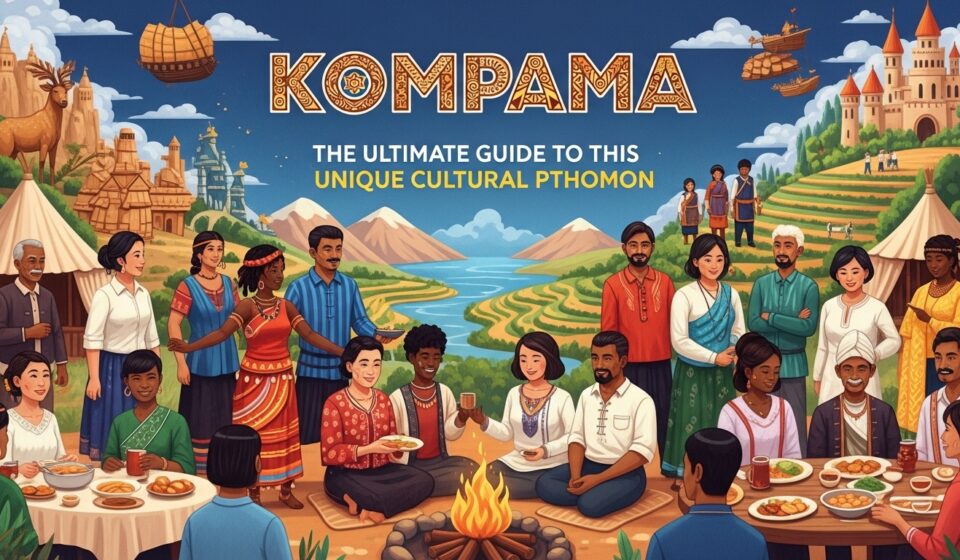

Kompama is more than just a word; it’s a vibrant tapestry woven with cultural significance, tradition, and joy. Emerging from the heart of diverse communities around the globe, this unique phenomenon encapsulates an essence that transcends borders. But what exactly is Kompama? It beckons curiosity and invites us to explore its deep-rooted origins and meanings.
As we dive into this ultimate guide, prepare yourself to uncover the fascinating layers of Kompama—its traditions, celebrations across various cultures, and how it maintains relevance in our modern world. Whether you’ve heard whispers about it or are completely new to the concept, there’s something here for everyone. Let’s embark on this journey together!
The Tradition of Kompama: What is it Exactly?
Kompama is a vibrant cultural tradition that embodies the spirit of community and celebration. It originates from rich historical roots, often influenced by local customs and folklore. Each gathering reflects the unique identity of its participants.
At its core, Kompama revolves around shared experiences—music, dance, and storytelling play significant roles. Participants come together to honor their heritage while creating new memories.
The festivity includes intricate rituals that vary across regions but maintain a common thread: unity through joy. Whether it’s traditional attire or distinct culinary delights, every aspect celebrates cultural diversity.
In many ways, Kompama serves as a canvas for artistic expression. From lively performances to colorful decorations, each element contributes to an immersive experience that invites everyone in. The essence lies in participation; it’s not just an event but a heartfelt journey into one’s culture.
How Kompama is Celebrated in Different Cultures and Regions
Kompama celebrations vary widely across cultures, each adding its own twist to the tradition. In some regions, vibrant parades fill the streets, showcasing elaborate costumes and lively music that echo through neighborhoods.
In contrast, rural areas may focus on intimate gatherings. Families come together to share stories and traditional meals steeped in history. It’s a time for reflection as much as celebration.
Certain communities incorporate unique rituals during Kompama, like dance performances or artistic displays that highlight local crafts. This showcases not only their cultural identity but also fosters community spirit.
Other places might emphasize communal service projects during this period. Participants engage in activities aimed at improving their surroundings while strengthening ties with one another.
The heart of Kompama remains consistent: it’s about connection—between people, generations, and traditions—making it a truly diverse phenomenon across the globe.
Common Themes and Practices in Kompama Celebrations
Kompama celebrations are rich with unique themes and practices that vary from region to region. At their core, these festivities often emphasize community spirit. People come together, reinforcing bonds that hold families and neighborhoods tightly knit.
Music plays a pivotal role in Kompama. Traditional instruments create an atmosphere of joy, allowing participants to engage through dance and song. Each rhythm tells a story passed down through generations.
Another common element is the sharing of food. Special dishes are prepared, reflecting local flavors and ingredients. This communal meal not only satisfies hunger but also fosters connections among attendees.
Symbols also appear prominently during Kompama events. Decorations featuring vibrant colors signify vitality and hope for the future, while traditional attire showcases cultural heritage in visually stunning ways.
Rituals may include storytelling or reenactments of historical events, ensuring that traditions remain alive within the hearts of younger generations.
Why Kompama is Important in Preserving Cultural Heritage
Kompama plays a vital role in safeguarding cultural heritage. It acts as a living bridge between generations, connecting the past with the present. Through its vibrant celebrations, communities share stories and traditions that might otherwise fade away.
This unique phenomenon fosters a sense of identity among participants. Individuals come together to express their beliefs and values, reinforcing communal bonds. In an increasingly globalized world, such practices help maintain distinctiveness within cultures.
Moreover, Kompama encourages artistic expression. Traditional music, dance, and crafts often thrive during these gatherings. This not only enriches local culture but also provides economic opportunities for artisans and performers.
By honoring age-old customs through Kompama festivities, communities ensure that future generations inherit a rich tapestry of history and tradition. This cultural preservation is essential for fostering mutual respect among diverse societies worldwide.
Impact of Modernization on Kompama Celebrations
Modernization has undeniably woven itself into the fabric of Kompama celebrations. As technology and globalization flourish, many traditional customs face both challenges and adaptations.
Younger generations are often drawn to digital platforms for sharing their experiences. This shift can sometimes dilute the authentic essence of Kompama. Social media showcases vibrant festivities but may prioritize style over substance.
Yet, modernization also offers opportunities for revitalization. Communities use online resources to promote events, expanding participation beyond local boundaries. Virtual gatherings allow those separated by distance to engage in meaningful ways.
Despite these changes, some core elements endure. Families might blend traditional practices with contemporary influences, creating a unique fusion that honors heritage while embracing progress.
As we navigate this evolving landscape, it becomes essential to balance modern convenience with respect for cultural roots in Kompama celebrations.
How to Participate in a Kompama Celebration
Participating in a Kompama celebration is an immersive experience. Start by researching local events or communities that honor this tradition. Many towns hold annual festivals, where you can witness the colorful displays and lively performances.
Dress appropriately for the occasion. Traditional attire often adds to the festive atmosphere and shows respect for the culture being celebrated. If you’re unsure what to wear, ask locals for guidance—they’re usually more than willing to help.
Engage with participants. Join in on dances or games if invited; these activities are at the heart of Kompama festivities. Don’t hesitate to approach vendors selling traditional food and crafts—sampling authentic dishes offers a taste of true cultural heritage.
Take part in storytelling sessions if they’re offered during celebrations. Listening to folk tales deepens your understanding of Kompama’s significance while connecting you with its rich history.
Conclusion
Kompama is more than just a cultural event; it’s a vibrant tapestry of traditions, values, and community spirit. This unique phenomenon transcends borders, connecting diverse cultures through shared practices and themes. As globalization continues to influence local customs, the essence of Kompama remains resilient.
For those eager to dive into this celebration, participating in a Kompama event offers an enriching experience. Embrace the rituals, engage with the community, and respect the deep-rooted significance behind each practice. Whether you’re partaking in lively dance or savoring traditional dishes, every moment spent at Kompama brings you closer to understanding its importance.
As we navigate modernization’s impact on cultural expressions like Kompama, it becomes essential to appreciate and preserve these traditions for future generations. The heart of Kompama lies in its ability to unite people from various backgrounds while honoring their unique heritages.
Exploring the world of Kompama invites us all to celebrate diversity and foster connections that enrich our lives. Each celebration serves as a reminder that culture is not static but rather an evolving expression of human connection across time and space. Join in on this remarkable journey—there’s always room for one more at the joyous table of Kompama!