
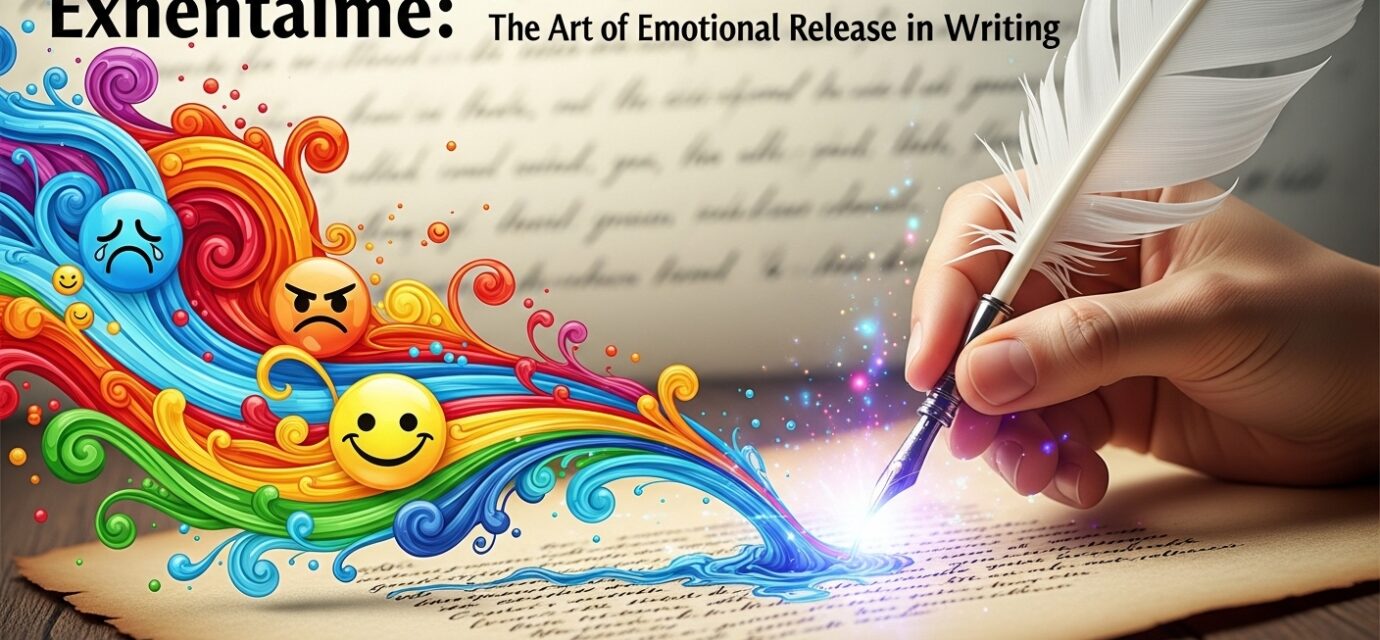

Have you ever found yourself lost in thought, grappling with emotions that seem too heavy to carry? For writers, these feelings can either serve as a barrier or become a powerful source of creativity. Enter Exhentaime—a term that encapsulates the art of emotional release through writing. This concept invites us to explore the depths of our feelings and transform them into something beautiful on the page. Whether you’re an aspiring novelist or a seasoned poet, understanding Exhentaime could unlock new dimensions in your work. Let’s delve into this transformative process and see how it can reshape not only your writing but also your entire creative experience.
How Emotions Impact Writing
Emotions play a crucial role in shaping the writing process. They infuse words with depth and resonance, making narratives come alive. When a writer draws from personal feelings, their work often reflects authenticity.
Think about it: anger can fuel fierce prose that demands attention. Joy might lead to uplifting stories filled with hope. Conversely, sadness creates poignant moments that linger long after reading.
Writers who tap into their emotions are able to connect more profoundly with readers. This connection fosters empathy and understanding, bridging gaps between different experiences.
Moreover, emotions can dictate tone and style. A heart-wrenching scene may require delicate language while a triumphant moment calls for bold expression.
By embracing emotional complexity, writers unlock a powerful tool for storytelling. It transforms ordinary writing into something extraordinary—inviting readers on an unforgettable journey through the human experience.
The Benefits of Emotional Release in Writing
Emotional release in writing serves as a powerful catalyst for creativity. When writers tap into their feelings, they unlock deeper insights and more authentic voices.
This process can transform mundane narratives into compelling stories that resonate with readers. Emotional authenticity fosters connection, allowing audiences to see themselves in the words.
Moreover, releasing pent-up emotions through writing acts as a therapeutic outlet. It reduces stress and anxiety while promoting mental clarity. Writers often discover hidden truths within their own experiences, leading to personal growth.
Additionally, this emotional exploration fuels character development. Richly drawn characters emerge from genuine emotional landscapes, making them relatable and memorable.
Harnessing these benefits makes each piece of writing not just an expression but also a journey—a chance to explore both self and story through the lens of heartfelt experience.
Techniques for Incorporating Exhentaime into Your Writing Process
To incorporate Exhentaime into your writing, start by creating a dedicated emotional space. Set aside time where you can focus solely on your feelings without distractions.
Journaling is an effective technique. Pour out your thoughts and emotions freely onto the page before crafting them into more structured pieces.
Visualizing scenes that evoke strong emotions can also help. Close your eyes and imagine characters in intense situations, then translate those visuals into words.
Reading poetry or literature that resonates with you can inspire depth in your own work. Let the language of others stir something within yourself, pushing you to express similar sentiments.
Don’t shy away from vulnerability. Share personal experiences; they often add authenticity to your narrative and allow readers to connect deeply with your writing journey.
Overcoming Writer’s Block with Exhentaime
Writer’s block can feel like an insurmountable wall. The blank page stares back at you, silent and daunting. This is where exhentaime comes into play.
By tapping into your emotions, you unlock a pathway to creativity. Allow yourself to express feelings freely on the page—anger, joy, sadness—all of it matters.
Journaling can be a powerful tool here. Write without judgment or focus on grammar. Let thoughts flow unfiltered; this practice often reveals hidden insights that spark new ideas.
Visualizing scenes tied to your emotions also helps clear mental fogs. Imagine vivid scenarios that resonate with what you’re feeling right now.
Engaging in creative exercises related to exhentaime—like free writing or even drawing—can open up channels previously blocked by doubt and fear. Embrace vulnerability and let it guide your pen once more towards clarity and inspiration.
Examples of Successful Use of Exhentaime in Literature
Exhentaime finds its roots in powerful literary examples that resonate deeply with readers. One notable instance is Virginia Woolf’s “Mrs. Dalloway.” Her stream-of-consciousness technique reveals the character’s inner turmoil and emotional depth, showcasing the essence of Exhentaime.
Another striking example is Toni Morrison’s “Beloved.” Through raw and poignant expressions of grief, Morrison encapsulates trauma while inviting readers to experience a cathartic release alongside her characters.
In poetry, Sylvia Plath’s works exemplify Exhentaime beautifully. With evocative imagery and intense emotions, she immerses readers in her personal struggles, creating an undeniable connection.
Each of these writers harnessed their emotions to create art that transcends mere storytelling. Their ability to tap into deep feelings not only captivates but also invites reflection on shared human experiences. The beauty of Exhentaime lies in its capacity to transform pain into profound narratives.
Conclusion
Exhentaime offers a unique lens through which writers can explore their emotional landscapes. This process not only enriches the writing experience but also deepens the connection between writer and reader. Embracing this art form allows for authentic storytelling that resonates on multiple levels.
By harnessing emotions, you create work that is relatable and powerful. Whether you’re an aspiring author or a seasoned novelist, integrating Exhentaime into your writing journey can lead to transformative outcomes. So take a moment to reflect on your feelings and allow them to flow onto the page.
As you cultivate this practice, remember that every emotion has its place in storytelling. It’s about finding your voice amidst the chaos of feelings and letting it shine through your words. With time, patience, and dedication to embracing Exhentaime, you’ll find that emotional release isn’t just beneficial—it’s essential for crafting compelling narratives that linger in readers’ minds long after they’ve turned the last page.