
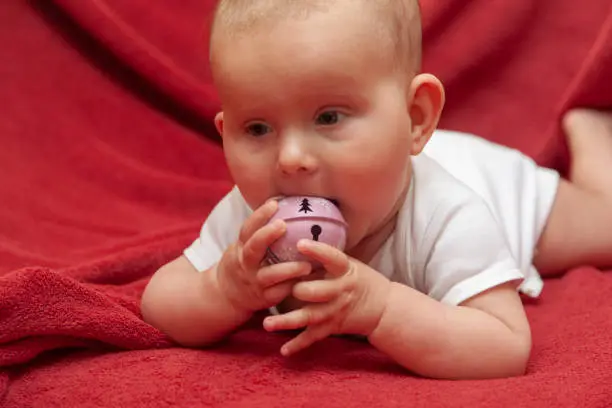

Babybelletje holds a special place in the hearts of many Dutch children. This charming little object is not just a toy; it’s a symbol of nostalgia and creativity, sparking joy and imagination among youngsters. As we delve into the world of Babybelletje, you’ll discover its fascinating history, cultural significance, and how it has evolved over time. Whether you grew up playing with this delightful item or are curious about introducing it to your child’s life today, there’s so much to explore about this adorable aspect of Dutch childhood. Let’s unravel the magic behind Babybelletje together!
History and Origin of Babybelletje
The origin of Babybelletje traces back to the playful traditions of Dutch childhood. This charming activity, often centered around small bells or soft toys, emerged in rural communities. Children would gather outdoors, creating games that inspired laughter and connection.
Historically, Babybelletje was not just a toy; it represented simple joys and creativity. Families passed down these customs through generations, fostering bonds among siblings and friends.
In the early 20th century, as urbanization grew in the Netherlands, Babybelletjes became a symbol of nostalgia for simpler times. Parents sought ways to keep their children’s spirits high amidst changing landscapes.
As folklore suggests, each Babybelletje added a sprinkle of magic to everyday life. Today’s children still experience this charm through variations that embrace both tradition and modernity.
The Significance of Babybelletje in Dutch Culture
Babybelletje holds a special place in Dutch culture, representing the innocence and joy of childhood. This charming tradition connects generations through simple yet meaningful interactions.
For many, Babybelletje is more than just a game; it evokes nostalgia. It reminds adults of their own carefree days spent outdoors with friends and family, laughing and playing without a care in the world.
The cultural significance extends to community gatherings as well. Whether at festivals or local events, Babybelletje engages children while fostering social bonds among families.
In an increasingly digital age, this traditional play encourages physical activity and creativity. It’s a reminder that sometimes the simplest things can spark joy in our lives.
Through storytelling and shared experiences, Babybelletje continues to shape Dutch values around togetherness and fun for younger generations.
Traditional Games and Activities Involving Babybelletje
Traditional games involving Babybelletje are a delightful way to connect with Dutch childhood memories. These simple yet engaging activities often take place in parks, schoolyards, or backyards.
One popular game is “Babybelletje Bellen,” where children form a circle and pass the little bell around while singing catchy tunes. The moment the music stops, whoever holds the Babybelletje must perform a fun task like telling a joke or doing a silly dance.
Another favorite is “Zoeken naar de Babybelletjes.” It’s akin to hide-and-seek but with hidden bells sprinkled throughout an area. Kids search high and low for these treasures, fostering teamwork and excitement.
These timeless games not only provide laughter but also encourage creativity and social interaction among children. They help preserve cultural heritage while offering endless joy during playtime.
Modern Adaptations of Babybelletje
Modern adaptations of Babybelletje reflect the evolving nature of childhood play. Today, it’s not just about traditional games; creativity takes center stage. Children are now incorporating digital elements into their playtime.
Apps and online platforms have emerged that feature Babybelletje themes. These interactive experiences engage kids in new ways, blending storytelling with classic gameplay.
Moreover, DIY projects inspired by Babybelletje are gaining popularity among parents and kids alike. Crafting homemade versions fosters both creativity and bonding time.
Social media plays a role too; families share their unique spins on this beloved tradition through videos and posts. This creates a sense of community around the charm of Babybelletje.
With these modern twists, the essence remains intact while adapting to contemporary lifestyles. The enchanting spirit continues to inspire generations in delightful new forms.
The Impact of Technology on the Popularity of Babybelletje
Technology has woven itself into every aspect of our lives, and Babybelletje is no exception. With the rise of digital platforms, traditional games have transformed, introducing new ways for children to engage with this beloved Dutch charm.
Mobile apps now feature interactive versions of Babybelletje. These applications combine storytelling with gameplay, making it easier for kids to connect with their heritage while having fun. The immersive experiences captivate today’s tech-savvy youngsters.
Social media also plays a role in popularizing Babybelletje. Families share videos and photos showcasing their celebrations around this childhood treasure. This online community fosters a sense of belonging among parents who want to pass down these traditions.
While technology can sometimes overshadow classic playtime, it can also enhance it. Virtual meet-ups allow children from different backgrounds to enjoy Babybelletje together, bridging cultural gaps through shared experiences that may not have been possible before.
Tips for Incorporating Babybelletje into Your Child’s Upbringing
Incorporating Babybelletje into your child’s upbringing can be a delightful adventure. Start by introducing the concept through storytelling. Share tales from your own childhood, weaving in the charm of Babybelletje.
Engage your child with hands-on activities. Create art projects inspired by this iconic symbol. Use colorful papers, clay, or even natural materials to craft their own versions of Babybelletje.
Organize playdates centered around traditional games that involve teamwork and creativity. Games like tag or scavenger hunts can easily include elements reminiscent of Babybelletjes.
Encourage outdoor exploration as well. Nature walks are perfect for finding small treasures that echo the joy of discovering a Babybelletje in its playful context.
Share moments of nostalgia during family gatherings by reminiscing about how you experienced Babybelletjes when you were young. This connection creates lasting memories and enriches their understanding of culture.
Conclusion
Babybelletje holds a special place in the hearts of many, symbolizing the joys and innocence of childhood in Dutch culture. Its history is rich, tracing back to traditional customs that have been passed down through generations. The significance of Babybelletje goes beyond mere nostalgia; it fosters creativity and connection among children.
Traditional games like touwtrekken and koekhappen showcase how Babybelletje can be woven into fun activities that enhance social skills and teamwork. As society evolves, so does the concept of Babybelletje, adapting to modern lifestyles while retaining its charm.
Technology has introduced new ways for families to engage with this beloved tradition. Online communities share ideas for incorporating Babybelletje into playtime or celebrations, ensuring its relevance in today’s digital age.
For parents looking to enrich their child’s upbringing, embracing Babybelletje offers countless opportunities for growth and bonding experiences. From games to storytelling sessions centered around this iconic figure, there are endless creative possibilities.
As you explore the world of Babybelletje with your little ones, remember that it’s more than just a game—it’s a way to create lasting memories together. Embrace its charm wholeheartedly as you watch your child discover joy through laughter and imagination.